Outdoor Security Camera Placement: Where to Put Cameras
Good outdoor security camera placement aims cameras at the doors, the driveway and the gates you use most, mounted under cover and out of easy reach. Keep each view on your own property, and avoid pointing a lens into a neighbor's windows.
On this page (11 sections)
- Outdoor security camera placement starts with the doors
- Aim at the path, not the door alone
- Mount at a height out of easy reach
- Keep glare and bright lights out of the view
- Use cover for rain and sun
- Solar spots need sun
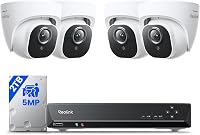
- Cameras that link to a recorder
- Night view and the spots it covers
- Test the spot before you drill
- Keep the view on your own property
- Where most homes put the first four cameras
Good outdoor security camera placement aims at the doors, the driveway and the gates you use most, mounted under cover and out of easy reach. The best spots show who comes to the door and what moves across the yard.
Good placement is about the view more than the number of cameras. A camera that sees a clean path to the door does more than one pointed at a blank wall.
Outdoor security camera placement starts with the doors
Doors are the first place to cover, since people use them most. A camera with a view of the path to the door shows the faces and vehicles that matter most.
The driveway comes next. A camera set back from the road can capture cars as they arrive, and it covers the gate or garage door at the same time.
Aim at the path, not the door alone
Point each camera at the approach to the door, not straight at the door face. A slight angle captures faces as people walk up, and it reduces the glare from a porch light.
Check the view on your phone at the actual mounting height. A camera that looks right on the ground can show a ceiling or a roof edge once it's mounted higher.
Mount at a height out of easy reach
Many mounts sit around 8 to 10 feet up. That height keeps the cameras out of easy reach while still showing faces and vehicles.
Follow the mounting height in your kit's manual. Mount each camera firmly to a solid surface, such as a stud, a masonry wall or a beam, and not to siding alone.
Some cameras also need a set mounting direction. eufy says the C37 is designed to hang upside down from its bracket, so follow each manual's mounting guide.
Use a stable ladder and a second person when you mount high, and keep the work area clear. Keep your feet on the rungs and avoid reaching out past the ladder's sides.
Keep glare and bright lights out of the view
Direct sun or a streetlight shining into the lens can wash out the picture. Aim the camera so the light source sits behind it or off to the side.
Porch lights can cause the same glare at night. Test the view after dark, and move the camera or angle the lens if the light flares the image.
Use cover for rain and sun
Mount cameras under an eave or a porch roof where possible. Cover keeps rain and direct sun off the lens and the housing.
Outdoor security camera placement under cover
Check the weather rating on the box. IP66 means dust-tight and resistant to strong water jets, while IP67 means dust-tight and able to handle short immersion, so pick the rating that suits your climate.
Solar spots need sun
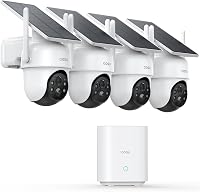
Solar cameras need a spot that gets enough sun to keep the battery charged. aosu says 2 to 3 hours of direct sunlight a day keeps its solar cameras running, depending on the model, and eufy says 2 hours a day for its SoloCam E30.
Choose a mount that faces the sun for most of the day, and keep trees and gutters from shading the panel. A shaded spot can leave the battery low, so check the battery level in the app.
Cameras that link to a recorder
Wired and recorder-based kits need a cable route to each camera spot. Plan the route before you choose the mount, and check the cable length for each run.
Wireless recorder kits need a clear Wi-Fi signal at each spot. Stand where the camera will go and check your phone's signal before you drill.
Night view and the spots it covers
Infrared night vision works well for spots without a light. Some kits add a white light for color at night, which helps for faces and plates.
Check the night view after mounting. A camera that works in daylight can still miss the spot after dark if the infrared range doesn't reach it.
Test the spot before you drill
Hold your phone at the mounting height and check the view, the sun and the signal in one visit. That check catches the problems covered above before you make any holes.
Check the same spot at dusk, when the light changes fast. Mark the cable route and the mount with painter's tape, so you can see the layout before you drill.
Keep the view on your own property
Aim each camera at your own land. Avoid pointing a lens into a neighbor's windows, their yard or a public space where people expect privacy.
Never point a camera through a bedroom or bathroom window. Audio recording rules vary by state, so check local law before you turn on sound.
Where most homes put the first four cameras
For a typical home, the first four go at the front door, the driveway or main approach, the back door and one side gate. Those spots cover the routes most people use.
Add more cameras for the side yard, the garage and any dark corner you found on your walk. Our how many security cameras guide helps you count the spots.
Once the spots are set, check the mount, the view and the power or cable route. The install steps for a PoE camera system cover the wiring side, and the solar security camera system picks show which solar kits fit a sunny spot.
For cameras with no monthly fee, see the best outdoor security cameras without subscription roundup. The right spot makes any kit more useful, so plan the view before you buy.
Frequently asked questions
How high should outdoor security cameras be mounted?
Many mounts sit around 8 to 10 feet up, which keeps cameras out of easy reach. Follow the mounting height in your kit's manual, and check that the view still covers the spot you want before you drill, from the actual mounting height.
Where should a security camera face at the front door?
Aim it at the path that leads to the door and the people who stand there, rather than straight at the door face alone. A slight angle captures faces and reduces glare from the porch light, and it's worth checking the view at dusk too.
Can outdoor cameras see at night?
Many outdoor kits use infrared night vision, and some add a white spotlight for color. ANNKE rates its 3K Lite cameras to 100 feet in black and white, and Camcamp says its cameras have three night vision modes, so check the range for your spot.
Can I put a camera under the eaves?
Yes, a spot under the eaves keeps rain and direct sun off the lens. Check that the camera's weather rating suits your climate, since IP66 covers strong water jets and IP67 covers short immersion, and both are dust-tight, so the rating matters for rain and sprinkler spray.